Aramak


Haberler
Ev / Haberler / Sektör haberleri / EVA Kenar Bantlama Sıcakta Eriyen Yapıştırıcı: Her Zaman Doğru Bağlantıyı Sağlamak

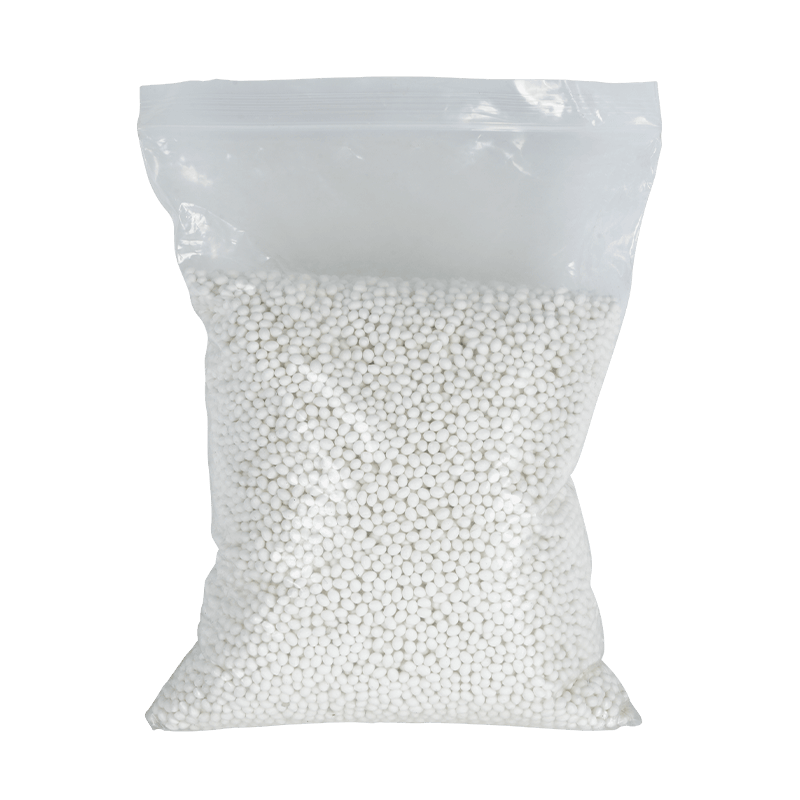
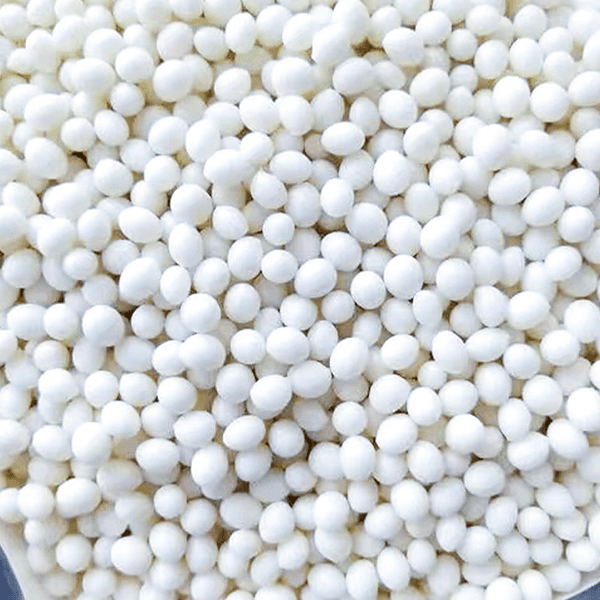
EVA kenar bantlama sıcakta eriyen yapıştırıcı, sıvı halde eritilen, bir panel kenarına veya bantlama şeridine uygulanan ve daha sonra tekrar katı bir bağ halinde soğumaya bırakılan, etilen-vinil asetat kopolimerinden yapılan termoplastik bir yapıştırıcıdır. Bağlama prensibi basittir: Tutkal, bir tutkal kabı aracılığıyla katı parçacıklardan erimiş sıvı formuna geçer, tahtaya veya kenar bantlama malzemesine uygulanır ve ardından tekrar sıvıdan katıya dönüşerek iki yüzey arasında dayanıklı bir yapışkan bağ oluşturur. Bu eritme-soğutma-bağlama döngüsü, sıcakta eriyen yapıştırıcıları yüksek hacimli ahşap işleme ve mobilya üretimi için bu kadar pratik kılan şeydir, çünkü birçok sıvı veya solvent bazlı yapıştırıcıda olduğu gibi beklemek için kürlenme süresi yoktur.
EVA sıcakta eriyen tutkal, güçlü bir maliyet ve performans dengesi sunduğu için kenar bantlamada en yaygın ve yaygın olarak kullanılan yapıştırıcı türü haline geldi. Özellikle ahşap, kağıt ve plastik gibi gözenekli yüzeylerde iyi çalışır, bu da onu mobilya üretimi için ideal kılar ve mevcut en uygun fiyatlı yapıştırıcı seçeneklerinden biri olmaya devam ederek, onu yalnızca küçük atölye projelerinden ziyade büyük ölçekli endüstriyel kenar bantlama işlemleri için pratik hale getirir.
Tüm EVA sıcakta eriyen yapıştırıcılar aynı şekilde formüle edilmez ve kopolimerdeki vinil asetat içeriği, yapıştırıcının uygulandıktan sonra nasıl performans göstereceğini belirlemede önemli bir rol oynar. VA içeriği genel olarak %5 ila %45 arasında değişir; %5 ila %15 aralığındaki daha düşük VA içeriği, sağlamlığı ve ısı direncini artırır, bu da onu sağlam, stabil bir bağın en önemli olduğu mobilya kenar bantlama uygulamalarına çok uygun hale getirir. %20 ila %40 aralığındaki daha yüksek VA içeriği esnekliği, yapışmayı ve şeffaflığı artırır; bu da kavisli veya konturlu kenarlar gibi bağlantı hattında daha fazla verim gerektiren uygulamalara uygun olma eğilimindedir.
| VA İçerik Aralığı | Temel Özellikler | Tipik Kullanım |
| %5 ila %15 | Daha yüksek sertlik, daha iyi ısı direnci | Düz kenarlı mobilya kenar bantlama |
| %20 ila %40 | Daha fazla esneklik, yapışma ve şeffaflık | Kavisli profiller, konturlu bantlama |
EVA kenar bantlama yapıştırıcıları tipik olarak orta ila yüksek sıcaklıklarda, genellikle 120°C ila 220°C arasında bir yerde uygulanır; kenar bandına özel formülasyonların çoğu, tam ürüne bağlı olarak 150°C ila 220°C aralığında etkili bir şekilde erir ve bağlanır. Bu sıcaklığın doğru ayarlanması son derece önemlidir, çünkü uygun erime sıcaklığına ulaşmamış tutkalın uygulanması alt tabakaya nüfuz etmeyi azaltır ve son bağı zayıflatır; aşırı ısınma ise yapıştırıcıyı bozabilir ve daha iş parçasına ulaşmadan açık kalma süresini kısaltabilir.
Makine hızı ve tutkal sıcaklığının da dikkatli bir şekilde eşleştirilmesi gerekir. Kenar bantlama makinesi kısa bir açık süre ile nispeten yavaş bir hızda çalışırsa, yapıştırmadan önce tutkalın havaya maruz kalması çok uzun olabilir ve bu da, kenar gerçekten temas ettiğinde sıcaklığın ideal yapıştırma aralığının altına düşmesine neden olabilir. Genel bir kural olarak, dakikada 20 ila 25 metrelik kenar bantlama hızları tipik olarak orta sıcaklıkta sıcak eritmeyi gerektirirken, dakikada 25 metrenin üzerindeki hızlar genellikle bu daha hızlı hızda uygun yapıştırma performansını sürdürmek için yüksek sıcaklıkta bir formülasyon gerektirir.
Sıcaklığın ötesinde, gerçek miktar EVA kenar bantlama sıcakta eriyen yapıştırıcı uygulanan basınç ve bağı ayarlamak için kullanılan basınç, nihai bağ kalitesini önemli ölçüde etkiler. Uygulanan yapıştırıcı miktarının genellikle metrekare başına 150 ila 220 gram aralığında olması gerekir; bu aralık kesinlikle spesifik yapıştırıcı ve alt tabaka kombinasyonuna göre kullanılır, çünkü çok az yapıştırıcı zayıf veya tutarsız bağlanmaya yol açarken, çok fazla yapıştırıcı dağınık taşma ve bağlantı boyunca eşit olmayan basınç dağılımı yaratabilir. Kenar bantlama makinesindeki basınç tekerleği ayarları da bir rol oynar; bantlama malzemesinin yeni uygulanan yapıştırıcıya sıkı bir şekilde oturmasını sağlamak için normal oda sıcaklığındaki temas basıncının genellikle santimetre kare başına 3 ila 5 kilogram aralığında tavsiye edilir.
EVA genel kenar bantlama işlerinde baskın tercih olmaya devam etse de, daha zorlu uygulamalarda kullanılan ve genellikle PUR olarak adlandırılan poliüretan reaktif yapıştırıcılarla karşılaştırıldığında sınırlamalarını anlamakta fayda var. Termoplastik bir malzeme olarak EVA yaklaşık 80°C'nin üzerinde yumuşar; bu da sürekli ısıya maruz kaldığında bağın zayıflayabileceği anlamına gelir ve aynı zamanda zor, polar olmayan malzemeleri yapıştırırken de kötü performans gösterebilir. Buna karşılık PUR yapıştırıcılar, kimyasal olarak sertleştirilmiş, son derece dayanıklı ve ısıya ve neme karşı çok daha dirençli bir bağ oluşturur; bu da onları mutfak tezgahı, banyo dolabı veya sürekli ısı veya neme maruz kalan herhangi bir uygulama için daha iyi bir seçim haline getirir.
Bununla birlikte mobilya, dolap ve genel ahşap işleme kenar bantlama işlerinin büyük çoğunluğu için EVA sıcakta eriyen yapıştırıcı pratik bir seçim olmaya devam ediyor; hızlı yapıştırma, gözenekli yüzeylerde güçlü yapışma ve PUR alternatiflerinden çok daha düşük bir maliyet sunuyor. Standart iç mekan mobilya işlerinde EVA'ya güvenirken gerçek ısı veya neme maruz kalma endişesi olan uygulamalar için PUR'u ayırmak, tipik bir üretim operasyonunda en iyi performans ve maliyet dengesini sunma eğilimindedir.
Yapıştırıcının katı granüler veya çubuk formu saklamaya uygun olmasına rağmen zaman içinde çevresel koşullara karşı hala duyarlı olduğundan, uygun depolama EVA kenar bantlama yapışkan performansında birçok operatörün fark ettiğinden daha büyük bir rol oynar. Yapıştırıcının orijinal ambalajında, serin, kuru, direkt güneş ışığı ve nemden uzakta saklanması, kullanıma hazır olana kadar erime özelliklerinin ve yapışma mukavemetinin korunmasına yardımcı olur. Çoğu EVA sıcakta eriyen yapıştırıcı, açılmamış ambalajda uygun şekilde saklandığında yaklaşık iki yıl raf ömrüne sahiptir; bu sürenin sonunda, malzeme fiziksel olarak değişmemiş görünse bile performans düşmeye başlayabilir.
Atölye nemi ve ortam sıcaklığı da günlük performansı etkiler, özellikle hem alt tabakanın hem de bantlama malzemesinin işlenmeden önce makul bir oda sıcaklığına getirilmesinin gerekebileceği daha soğuk mevsimlerde. Kışın bu adımı atlamak çoğu zaman zayıf bağlara ve kenar bantlamalarına neden olur ve bu da kurulumdan kısa bir süre sonra kalkar veya başarısız olur, çünkü tutkal daha soğuk malzemeye düzgün bir şekilde nüfuz etme şansı bulamadan soğur ve sertleşir.








Telif Hakkı © Hangzhou Yihe Yeni Malzemeler A.Ş., Ltd. Hakları saklıdır.
Çevre Dostu Tutkal Tedarikçileri