Aramak


Haberler
Ev / Haberler / Sektör haberleri / Environmentally Friendly Adhesives: A Practical Guide for Manufacturers
Environmentally friendly adhesives is a phrase that appears on a great many specification sheets and is explained on very few of them. If you run a production line, laminating MDF, wrapping profiles, pressing veneer onto a door skin or bonding automotive trim, the real question behind the phrase is practical: can you hold your bond strength, your cycle time and your surface finish while reducing what the process releases into the air, the water and the waste bin?
Usually, yes. But the answer rarely comes down to one label. We have been formulating adhesives since 1997, first as the Tonglu Lima specialty adhesive factory beside the Fuchun River and today as Hangzhou Yihe New Materials. In our experience, what makes an adhesive green depends on three things: the chemistry, the raw materials and the way you use them.
Three factors matter, and they do not always point in the same direction.
One point is easy to forget: durability is an environmental argument too. A bond that survives ten years of heat, moisture and load keeps a door, a cabinet or a vehicle interior out of the replacement cycle. Green chemistry that fails early is not green at all.
Most lower-impact bonding today comes from four adhesive families. They differ in how they carry the bond, how they cure and what they demand from your equipment.
| Family | Carrier and chemistry | Typical industrial use | Environmental angle |
|---|---|---|---|
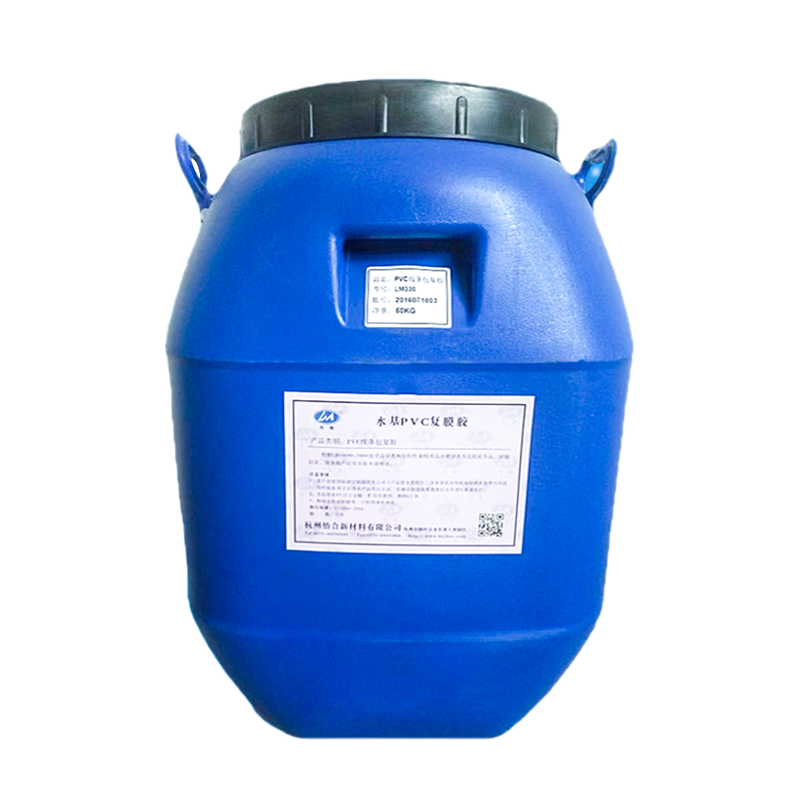
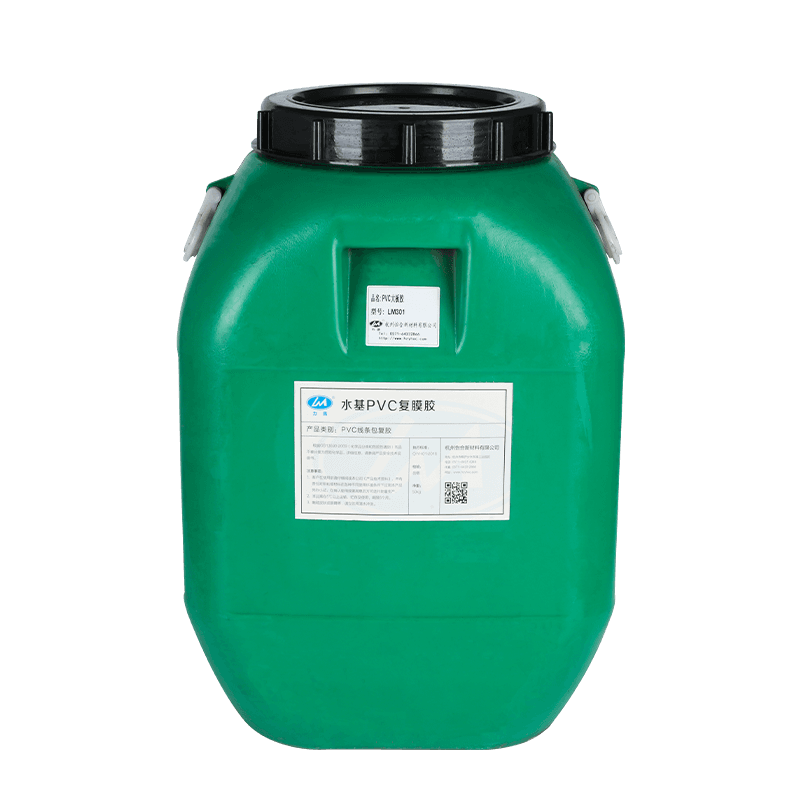
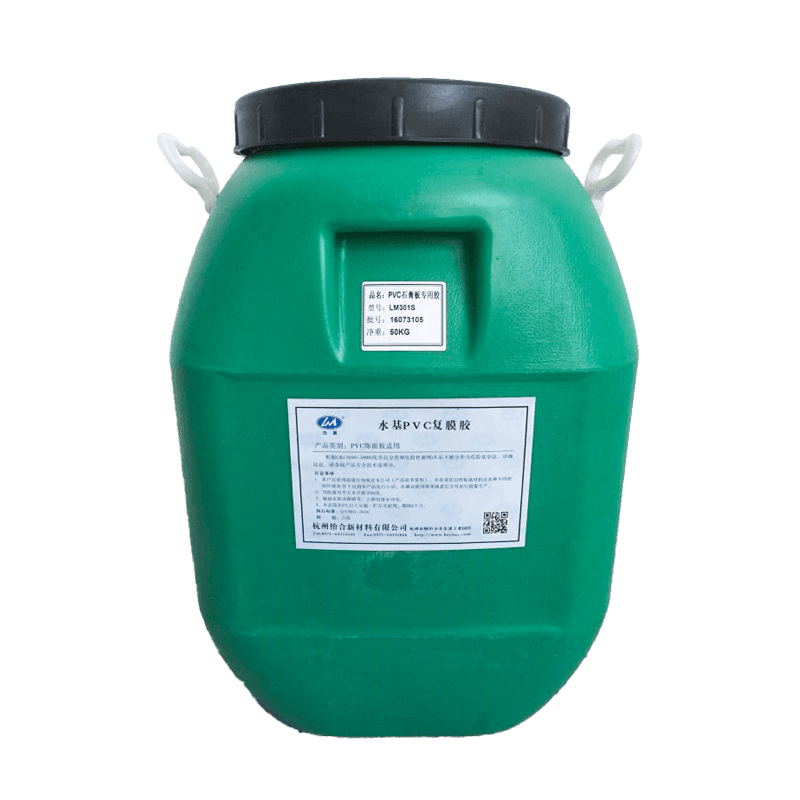
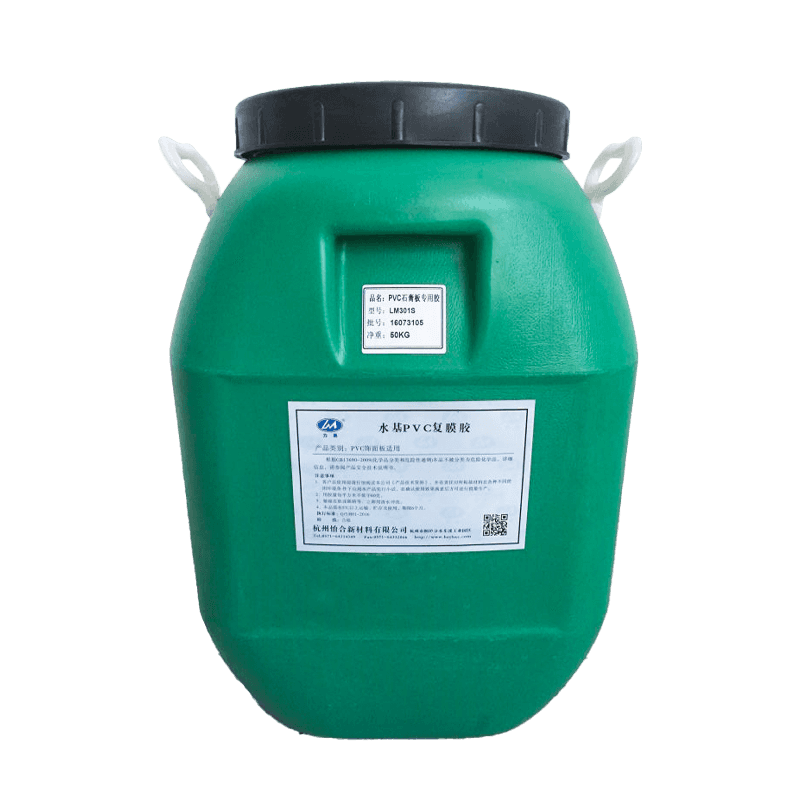
| Water-based | Water as the main carrier, polymer dispersion | PVC vacuum thermoforming, MDF and profile lamination, gypsum board, veneer | Low VOC and low odor, easy cleanup, but drying energy is required |
| PUR hot melt | 100 percent solids polyurethane, moisture curing | Flat lamination, profile wrapping, edgebanding | Nothing to evaporate, very low coat weights, strong on difficult substrates |
| EVA hot melt | 100 percent solids ethylene vinyl acetate | Edgebanding, veneer and CPL wrapping | Solvent-free and fast; grades with renewable content are available |
| Liquid PUR | 100 percent solids, cold press or two-component | Panel lamination and assembly bonding | Solvent-free, strong bond at low application weight |
The columns worth reading twice are the last two. A family that looks greener on paper may need more heat, more time or more adhesive in your particular process, and that changes the balance.
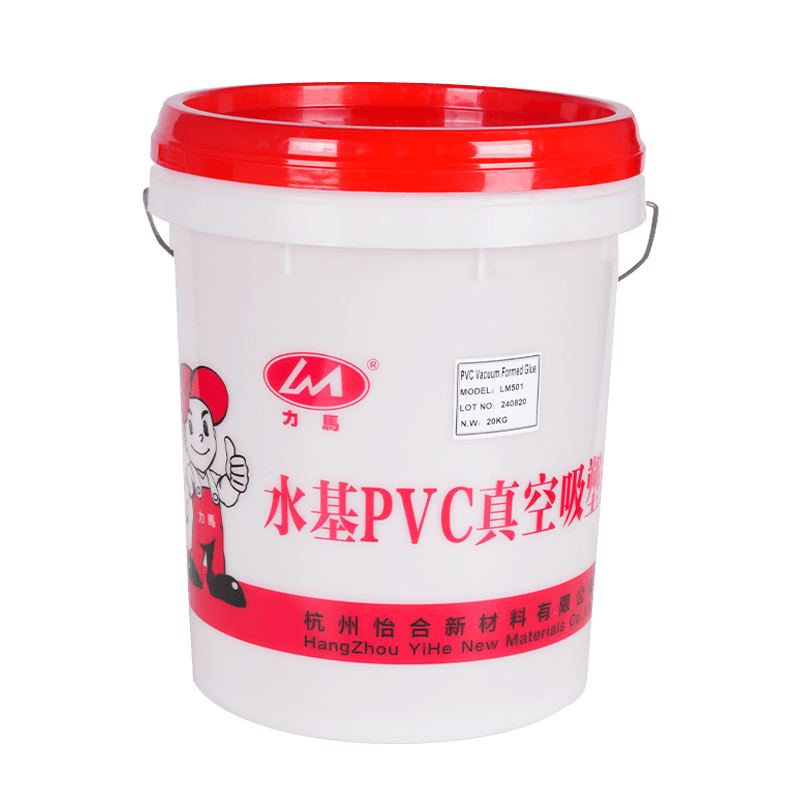
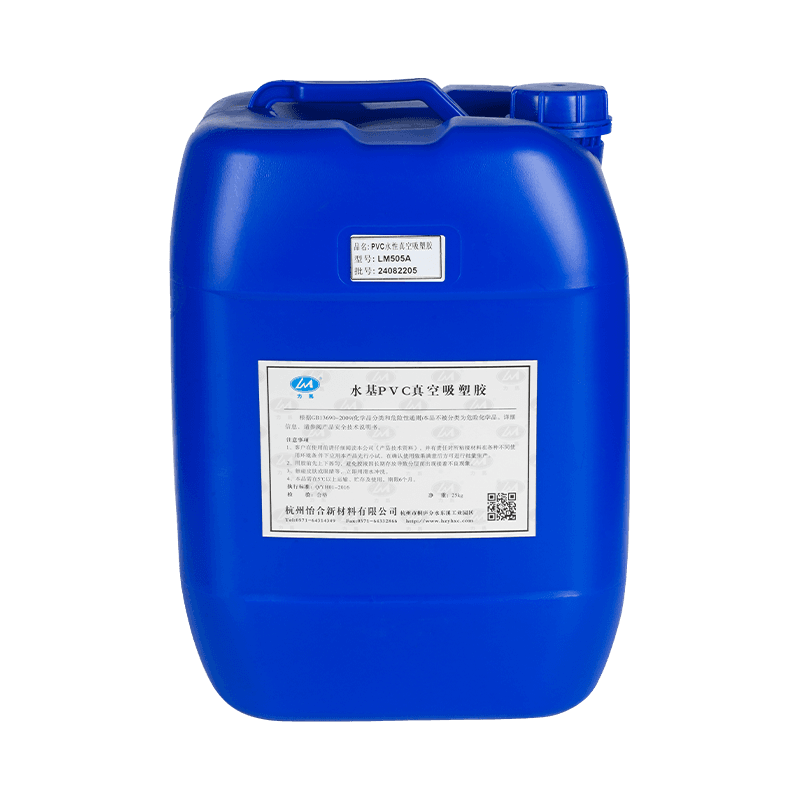
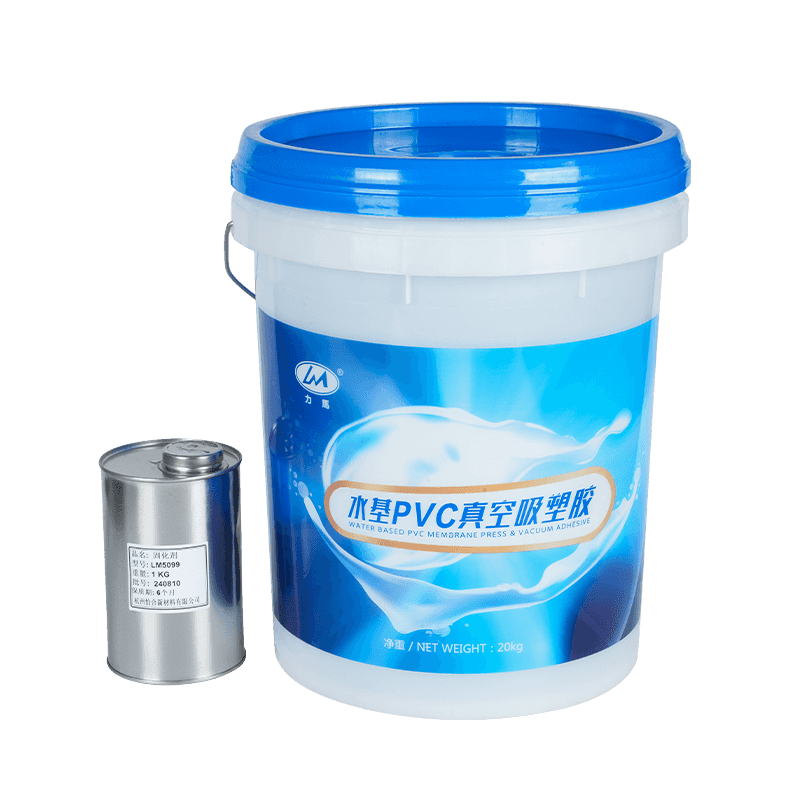
If you work with PVC film, PET, PP, veneer or paper on a wood-based substrate, water-based adhesives are probably already in your plant. They dominate vacuum thermoforming for cabinet and wardrobe doors, PVC lamination onto MDF, profile wrapping and gypsum board facing, partly because they are forgiving to run and partly because they do not fill the workshop with solvent vapor.
Within that family, the differences sit in the details. A general-purpose thermoforming adhesive can struggle when a high-gloss or skin-feel film is in play, because plasticizer migrates from the film and shows through as haze. Grades formulated for anti-penetration and particle-free appearance solve that specific problem, which is why a door with a demanding surface finish often needs a different product from a plain white one.
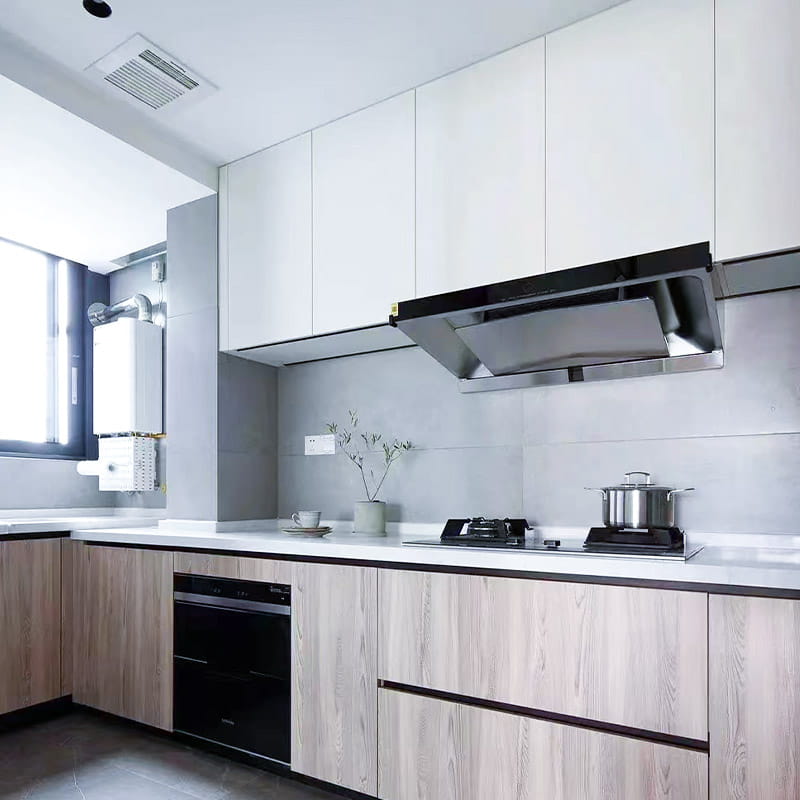 LM501W Anti-Penetration PVC Vacuum Thermoforming AdhesiveWater-based adhesive for bonding PVC film to MDF, formulated for anti-penetration and clean appearance in demanding cabinet-door surfaces.View Product →
You can browse the rest of our water-based and woodworking adhesive range by application if you want to see how the grades are grouped.
Reactive polyurethane hot melts are 100 percent solids. There is no water and no solvent to remove, so the only thing leaving the bond line during curing is a small amount of moisture reacting with the polymer. That makes them attractive where a durable bond is needed on a difficult surface: PET and PP films, foils, and substrates that resist ordinary water-based systems.
The practical green advantage is coat weight. PUR flat lamination adhesives typically run at a fraction of the film weight a water-based system needs, and they develop strength quickly, so panels can be handled and stacked sooner. On the other side of the ledger, PUR needs controlled storage, careful application temperature and clean equipment, because cured residue will not wash away with water.
 LM6016 PUR Moisture-Curing Hot Melt AdhesiveReactive polyurethane hot melt with 100% solids and high initial strength for flat lamination of PVC, PET, and acrylic to wood panels.View Product →
EVA hot melts are the familiar workhorses of edgebanding and veneer wrapping. They are solvent-free, set quickly and tolerate a wide range of workshop conditions, which is why so many furniture and door plants rely on them. They are not automatically the greenest choice, however: the polymer itself is petrochemical, so the environmental profile depends on how much you use and how long the bond holds.
Two things are worth checking with your supplier. First, whether a grade with renewable content is available for your line, since these have become more common and behave much like conventional products. Second, whether the application temperature can be lowered, because heating a glue pot all day is often the largest energy item in an edgebanding cell.
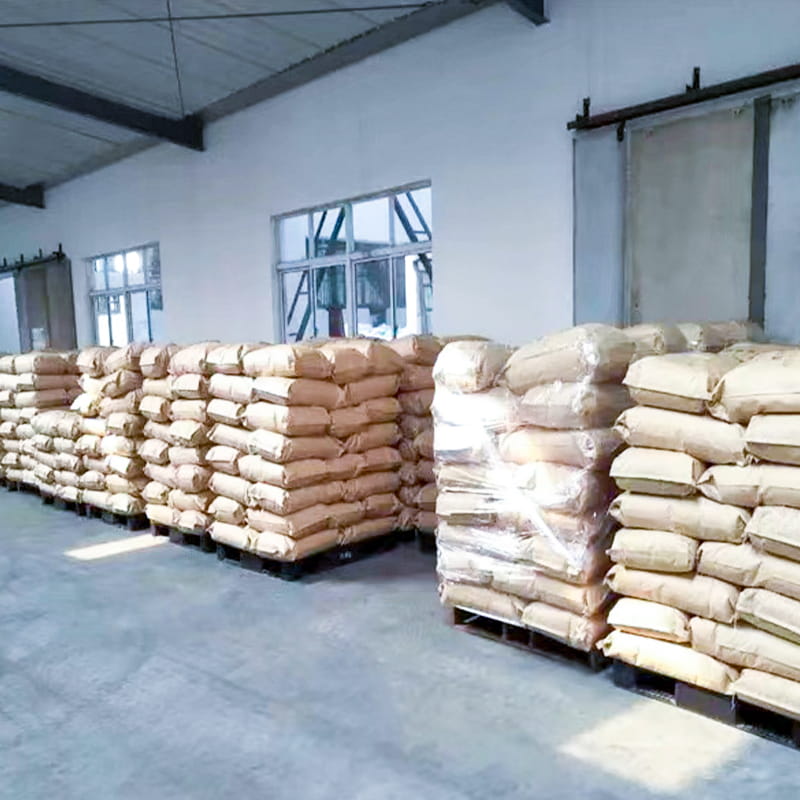 LM8701 Universal EVA Edgebanding Hot Melt AdhesiveEVA hot melt for edgebanding PVC, ABS, veneer, and decorative paper, offering long open time and no visible glue line.View Product →
In practice the choice follows the substrate and the process rather than the marketing category. A rough map looks like this:
If your substrate sits outside that map, a sample and a trial on your own line will tell you more than any comparison table.
Not every green claim survives contact with a production schedule. These are the questions we would ask any supplier, including ourselves:
For a wider view of how regulations and formulations are moving, this piece on practical eco-friendly adhesive selection makes a useful companion read.
Environmentally friendly adhesives are rarely a single product decision. They are the result of matching a chemistry to a substrate, applying it at a sensible weight, and giving it the conditions it needs to reach full strength. Get those three right and the environmental gains usually follow, along with a better-looking panel and fewer rejects.
We have been at this since 1997, with our own laboratory and a team that spends most of its time solving bonding problems on customers' lines rather than writing slogans. If you are weighing a switch, send us your substrate, your equipment and your finish target, and we will point you to the grades most likely to work.




Telif Hakkı © Hangzhou Yihe Yeni Malzemeler A.Ş., Ltd. Hakları saklıdır.
Çevre Dostu Tutkal Tedarikçileri